
Bali to Introduce Electric Tram: Ngurah Rai Airport to Canggu Connected in Just 30 Minutes
Bali Provincial Government and PT Kereta Api Indonesia (KAI) officially initiate plans to develop an eco-friendly electric tram system connecting Ngurah Rai International Airport directly to Canggu in just 30 minutes.
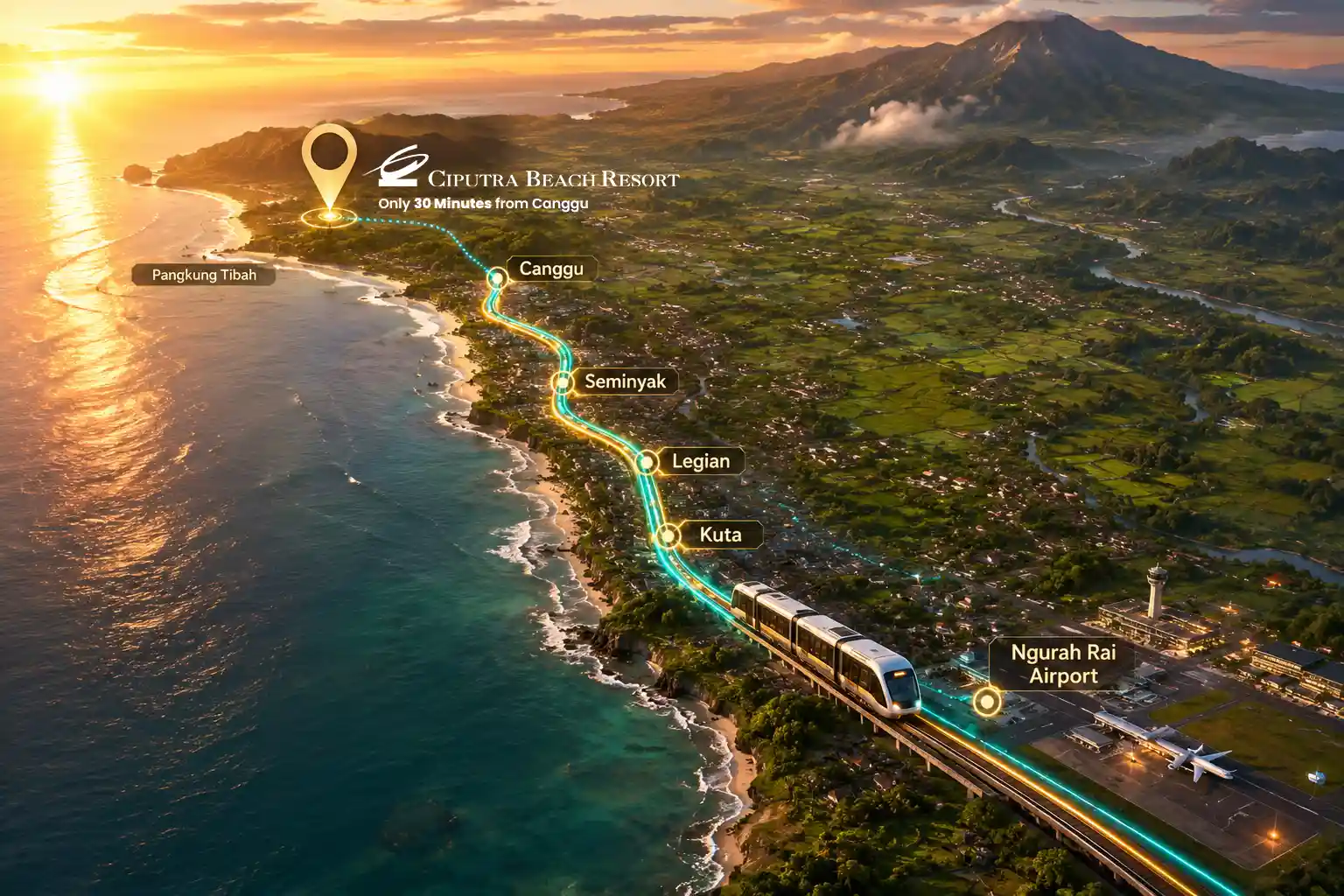
Bali continues to seek sustainable solutions to alleviate escalating traffic congestion, particularly across the southern corridor of the island. In a major milestone, the Bali Provincial Government, in collaboration with the Badung Regency Government and state railway operator PT Kereta Api Indonesia (Persero) or KAI, has initiated plans to develop a cutting-edge, battery-powered Bali electric tram system.
The mass transit network is planned to directly connect I Gusti Ngurah Rai International Airport with Canggu. Notably, Bali has opted against conventional Mass Rapid Transit (MRT) or elevated Light Rail Transit (LRT) systems. Instead, an electric tram was selected as the optimal solution tailored to the island's unique terrain, environmental sensitivities, cultural landscape, and daily mobility demands.
The initiative has drawn widespread public and international interest, as the corridor stretching from Ngurah Rai Airport through Kuta, Legian, Seminyak, and up to Canggu represents one of Bali’s most heavily traveled tourist and residential arteries. The introduction of the Bali electric tram is anticipated to serve as a transformative, long-term solution to reduce private vehicle dependency.
Bali Prepares Electric Tram to Alleviate Traffic Congestion
Traffic congestion has long stood as one of Bali’s most pressing infrastructure challenges, particularly within Badung Regency. Rapid tourism growth, surging vehicle numbers, high local mobility, and tourist arrivals have frequently brought southern Bali's roadways to a standstill during peak hours.
To address this challenge head-on, the Bali Provincial Government, the Badung Regency Government, and PT KAI are advancing railway-based transit through the development of a modern, battery-powered electric tram.
A formal cooperation agreement outlining the transit project was officially signed on September 1, 2026. This development marks an essential foundation toward establishing an integrated public transportation ecosystem in southern Bali.
Beyond serving as a vital mobility solution, the Bali electric tram is set to substantially enhance connectivity across key tourism hubs. Upon arriving at I Gusti Ngurah Rai International Airport, visitors will enjoy an efficient, eco-friendly transit alternative to reach Badung’s most renowned coastal destinations.
Why Bali Chose an Electric Tram Over MRT or LRT
A central highlight of the project is the deliberate decision to adopt a street-level electric tram rather than underground MRT or elevated LRT systems.
MRT systems generally demand massive underground excavation, extensive heavy civil infrastructure, and substantial capital investments. Similarly, elevated LRT networks require large-scale dedicated viaducts and track foundations that could visually disrupt the island's low-rise coastal skyline.
By contrast, an electric tram offers superior flexibility tailored to Bali’s geographic and spatial constraints. Operating on battery-electric propulsion, the tram eliminates the need for overhead catenary power lines along the route.
Key advantages of this system include:
- Eco-friendly operation with zero direct tailpipe emissions
- Significantly reduced noise levels, preserving the tranquil ambiance of coastal neighborhoods
- Compact vehicle dimensions, engineered to navigate existing roadway widths efficiently
- No overhead power cables, safeguarding Bali’s scenic skyline and aesthetic landscape
- Seamless integration potential with localized micro-transit, regional shuttles, and pedestrian networks
The tram selection aligns seamlessly with Bali’s commitment to sustainable development and cultural preservation. While modern infrastructure is vital for the island's future, transit solutions must remain harmonious with the local heritage, natural environment, and unique architectural character that define the Island of the Gods.
Consequently, the Bali electric tram represents not only an advancement in modern transit technology, but also a balanced integration of sustainable infrastructure and local authenticity.
The Route: From Ngurah Rai Airport to Canggu
The primary planned corridor will connect I Gusti Ngurah Rai International Airport directly with Canggu.
Under the framework announced by regional authorities, the alignment traverses strategic destinations across South Bali, connecting through Kuta, Legian, and Seminyak before terminating in Canggu. Badung Regency officials confirmed that the tram corridor is specifically designed to reinforce connectivity along the bustling Airport–Kuta–Canggu axis.
The route selection addresses a critical logistical bottleneck. Ngurah Rai Airport serves as the primary international gateway to Bali, with the vast majority of incoming travelers immediately traveling onward to Kuta, Seminyak, and Canggu.
At present, road journeys along this corridor frequently encounter heavy traffic delays, with transit times fluctuating dramatically depending on peak travel hours. With the introduction of the Bali electric tram, future travel times will become highly predictable and insulated from road congestion.
Beyond Canggu: The West Coast Corridor and Kedungu, Tabanan
While the initial tram terminus is planned for Canggu, onward journeys seamlessly connect travelers to the rapidly emerging west coast corridor. This scenic coastal belt encompasses Pererenan, Seseh, Cemagi, Tanah Lot, and Kedungu in Tabanan Regency. These coastal enclaves are widely celebrated for their pristine natural beauty, lush emerald rice terraces, and peaceful ambiance away from the congestion of central Canggu.
Pererenan and Seseh, situated immediately adjacent to Canggu, are renowned for their laid-back coastal culture, boutique dining, and relaxed beachfront settings. Continuing westward past Cemagi and the iconic sea temple of Tanah Lot brings visitors to Kedungu, Tabanan—a captivating coastal destination distinguished by sweeping panoramic ocean views, dramatic volcanic black sand beaches, world-class surf breaks, and terraced rice paddies cascading toward the sea.
From Canggu, travelers can easily reach these western coastal havens via dedicated hotel shuttles, private transfers, and eco-friendly electric vehicles. The impact of the tram arriving in Canggu will be amplified through integrated regional feeder services that connect visitors smoothly to neighboring destinations.
Travel Time Targeted at Approximately 30 Minutes
Among the most anticipated project metrics is the dramatically reduced travel time between Ngurah Rai Airport and Canggu.
The tram system is projected to complete the 12-to-13-kilometer journey in just 30 minutes, operating with regular departure headways of approximately 10 minutes. If realized, the service will provide residents and international visitors with a reliable, punctual, and traffic-free travel experience.
Currently, the project remains in an advanced planning and detailed engineering phase. Technical specifications, precise track alignments, station locations, operational capacity, and intermodal transfers will be rigorously assessed through upcoming comprehensive feasibility studies.
High-Capacity Service Capable of Moving Thousands Daily
Alongside swift travel times, passenger capacity is fundamental to the system’s long-term success.
Preliminary plans project that each tram service will accommodate between 15,000 to 20,000 passengers under maximum daily operating conditions, scaling to serve tens of thousands of riders every day.
This substantial capacity is essential to establish public transit as a genuinely attractive alternative to private vehicle usage. The greater the shift from personal cars and motorcycles to the electric tram, the more pronounced the reduction in traffic congestion will be throughout Bali’s primary tourism corridor.
Key determinants of the project's long-term success include:
- Convenient pedestrian and shuttle access from major resorts and beachfront attractions
- Strategic placement of modern stations and boarding stops
- Seamless integration with local bus lines, shuttle networks, and airport terminals
- Digital ticketing systems and competitive, transparent fare structures
- High operational punctuality, safety, and premium passenger comfort
Groundbreaking Targeted for March 2027
Government authorities are targeting physical construction and formal groundbreaking to commence in March 2027.
Phase 1 of the route is slated to enter commercial operations by 2028, with subsequent extensions reaching Canggu scheduled for completion and full operations by 2029.
Prior to construction, essential milestones—including technical feasibility analyses, environmental impact assessments (AMDAL), community engagement, coordination with traditional village councils (desa adat), and alignment with Bali’s regional spatial planning regulations—will be completed to ensure the project develops in complete harmony with Balinese culture and traditions.
Positive Impact on Ciputra Beach Resort in Kedungu
The ongoing transportation transformation along Bali’s western corridor represents an exciting catalyst for master-planned communities and coastal destinations in neighboring areas, particularly Ciputra Beach Resort in Kedungu, Tabanan.
Encompassing 60 hectares of integrated beachfront masterplan with 1 kilometer of natural coastline, Ciputra Beach Resort is strategically positioned within Bali’s western expansion corridor. The introduction of rapid, modern transit connecting Ngurah Rai Airport to Canggu significantly reduces travel times from the airport, unlocking enhanced convenience for residents and driving substantial long-term capital appreciation for property owners.
With its forward-thinking, sustainable masterplan—featuring 100% underground utilities, natural flood-free drainage corridors, extensive green landscapes, and world-class lifestyle amenities including the upcoming Senja Beach Club—regional infrastructure advancements further cement Ciputra Beach Resort as Bali's most distinguished oceanfront township.
Search
Recent Posts
Related Stories & Insights
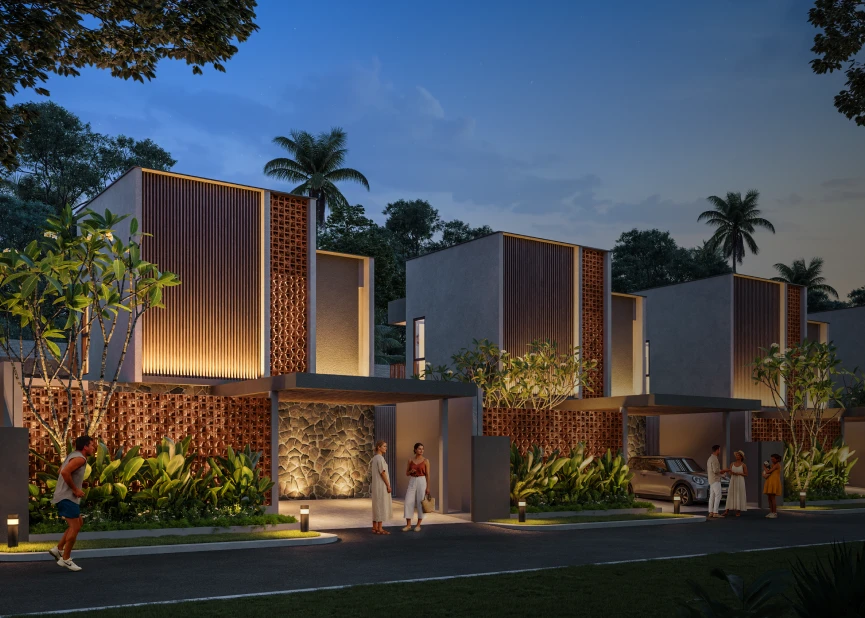
Bali Beachfront Homes: Ciputra Beach Resort Kedungu – Your Year-End Retreat & Future Investment
Explore how owning a beachfront residence at Ciputra Beach Resort Kedungu combines the ultimate family holiday sanctuary with remarkable capital appreciation and high-yield vacation rental demand.
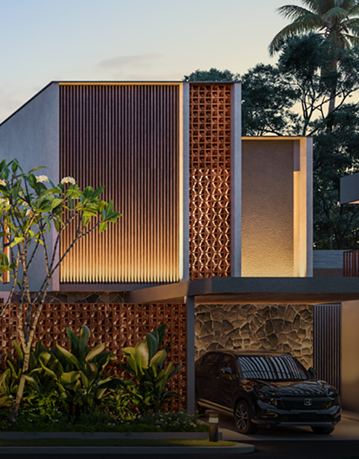
Beachfront Investment Trends in Tabanan Bali 2026
As Canggu reaches saturation, investors turn to Tabanan's 1 Km quiet coastline for high capital appreciation, luxury villa returns, and authentic Balinese charm.
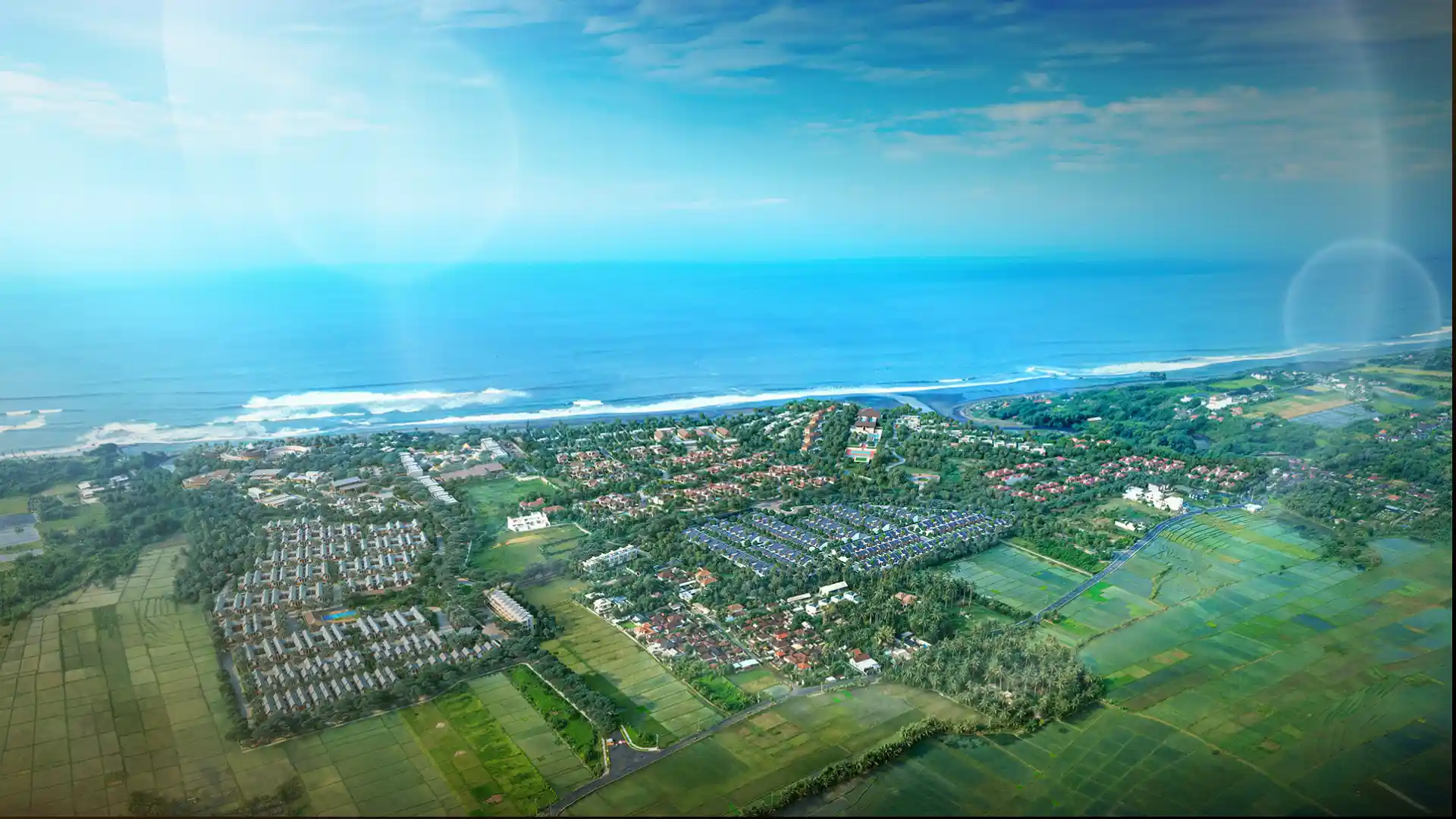
Ciputra Beach Resort, Bali: The Ultimate Beachfront Living & Investment Opportunity
Spanning 60 hectares along 1 kilometer of serene coastline, Ciputra Beach Resort seamlessly integrates world-class residential clusters, resort amenities, and enduring investment value in Tabanan.
Own Your Place inParadise
Connect directly with our senior property consultant to explore exclusive villa collections, private site viewings, and tailored investment opportunities at Ciputra Beach Resort.